Excerpt from �The War In The Air� by Walter Raleigh, Vol. 1. Official history of RFC/RAF (1922)
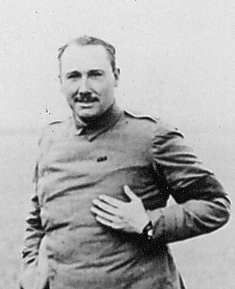
�There is often granted to singleness of purpose a kind of second sight which is denied to mere intelligence. Major Burke knew many things about military aviation and the handling of a squadron which it was left for the war to prove, and which, even with the experience of war to teach them, some commanding officers were slow to learn. A paper of �Maxims� which he jotted down as early as 1912 contains many wise and practical remarks.�
THE MAXIMS
Time in the air will alone make a pilot.
When training pilots, no machine should go out without knowing what it is to do, do it and it alone, then land.
When on the ground, everyone overrates their capacity for airwork.
No young pilot should be allowed out in �bumps� until he has done 15 hours piloting.
An aeroplane will live in the wind and a lifeboat in any sea, but they both want good and experienced men at the tiller.
Each smash means a certain amount of loss of the valuable assets: dash and keenness, though varying with individuals, the supply has its limits.
A pilot whose muscles are rigid when flying should do one of two things: (a) unstiffen (b) give up flying.
Napoleon said that in war the mental is to the physical as three to one. If he had known aviation, he would have put a nought after the three.
If the occupant of the passenger seat has no confidence in the pilot, there is probability of trouble. If it is the pilot who lacks confidence, the probability becomes a certainty.
In aviation, because a thing has been done without accident ten times is no guarantee that there will not be
an accident on the eleventh.
The qualities mostly required by a pilot: confidence; by an observer: truth; by a rigger: reliability; and the first two are largely based on the last.
�Rumour is a lying jade�. Aviation is full of rumours.
No pilots or anyone put over them will do any good if they listen to remarks actuated by jealousy.
Flying creates flying. If you see others up, the weather cannot be so bad as you imagined it was.
Divide pilots into classes. The weather will be fit for all of a class or none.
The amount of flying done does not depend on the weather but on the arrangements made to avail oneself of good weather.
Sufficient arrangements are seldom if ever made.
Aviation like arsenic can only be taken in small doses at first.
When things are going well, the man in charge can give play to his fears.
Nothing is ever as good or as bad as it seems.
Waiting about on an aerodrome has spoilt more pilots than everything else put together.
Strain can reduce the best of pilots by stages until it is just as dangerous for them to fly a machine as it is for a beginner.
Everyone who takes up flying becomes converted from disbelief into enthusiasm. Shortly after his conversion he may, or may not, kill himself.
Never regret having given a beginner too little flying at first, but always remember the time lost by want of arrangement.
If in doubt whether you should let beginners go up �Don�t�.
A military flier is only becoming really valuable after six months, which is about the time that a civilian flier lasts a star performer.
In aviation, all goes completely wrong or completely well. Neither should affect the man in charge as to what he intended to do.
If you know what you want, you can do your portion and get others to do theirs. Most people don�t know what they want.
A Squadron Commander should want a good Squadron, and not be able to break records.